

URGENT: Protect the Endangered Species Act Before It’s Too Late!
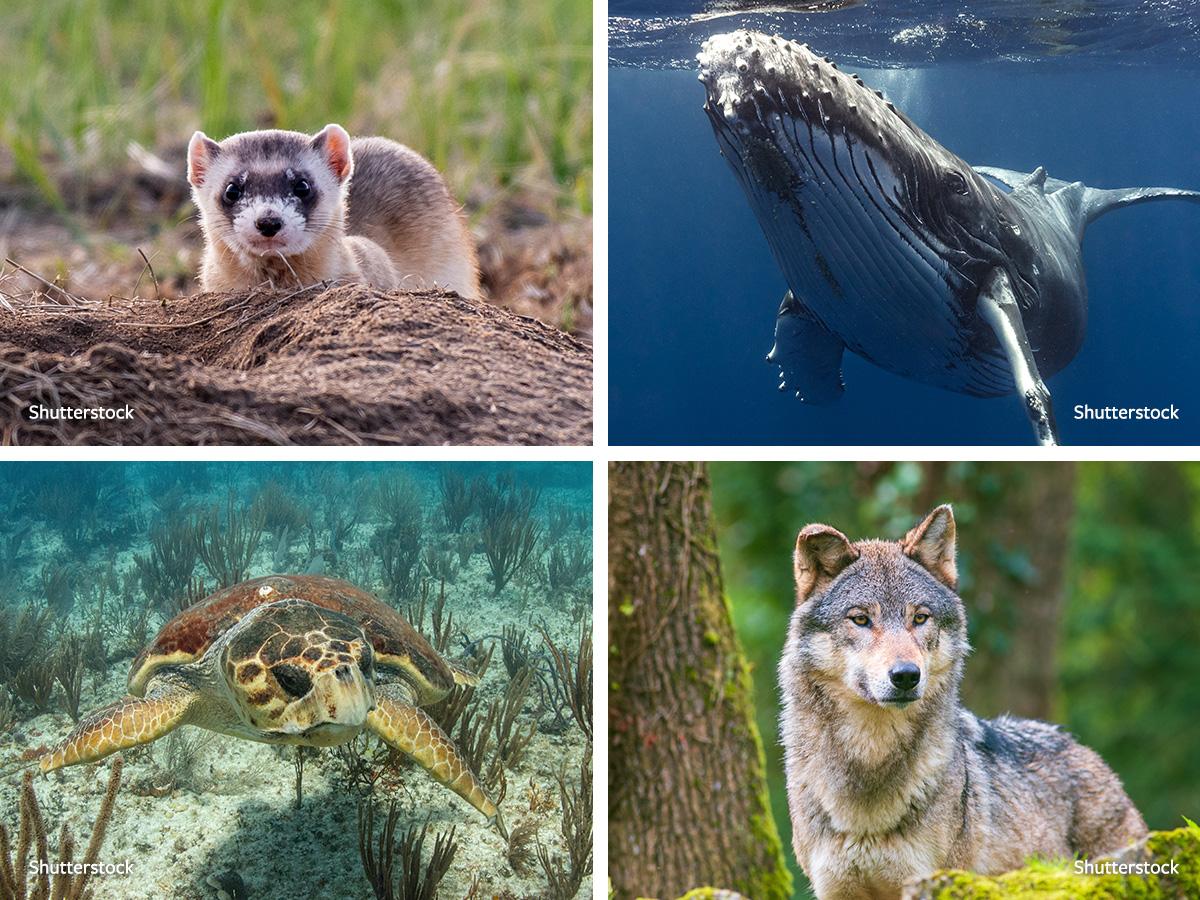
This alert is no longer active, but here for reference. Animals still need your help.
On December 28, 1973, one of the world's most powerful legal tools for protecting species from extinction was passed in the United States, the Endangered Species Act. Now the Trump administration is trying to undermine its effectiveness. Tell the U.S. Fish and Wildlife Service and the National Marine Fisheries Service to save it!
The Endangered Species Act establishes protections for wild animals and plants who are listed as threatened or endangered. The Act has an exceptional success rate of saving 99% of the species it protects from going extinct. The Act protects more than 1,600 plants and animals and has helped hundreds of species, including gray whales, California condors, bald eagles, and American alligators. The success of this Act could be at risk as the Trump Administration is trying to redefine the term “harm.”

An important key to the success of the Endangered Species Act has been its inclusion of habitat destruction as part of its definition of “harm.” Because of this definition, millions of acres of habitat have been conserved to save species from extinction. The new proposal attempts to eliminate these habitat protections by changing the definition of “harm” to only include intentional direct harm like harassment, shooting, wounding, etc., which are already currently defined in the Endangered Species Act as “take.”
The results of this change would be catastrophic. Science shows that habitat loss is a leading cause of species extinction. When members of a species lose habitat, they lose shelter, breeding grounds, and access to food and water. To propose that the destruction of habitat does not harm a species goes against science and common sense. Because of this definition change, the crucial habitats that endangered animals need to survive could be opened up to logging, mining, development, and other activities that would threaten an already endangered species. To save an endangered or threatened species, the habitat the animal relies upon must be protected. No plant or animal can survive without a home.
We are at a critical time when much of the planet needs protecting. This rule will make it harder to ensure the survival of so many species and will most likely result in many extinctions.

Letter to Decision Maker(s) for reference:
Subject: Rescinding the Definition of Harm under the Endangered Species Act
As one of 250,000 In Defense of Animals supporters and someone who cares deeply about wild animals, I urge you not to go through with this rule.
The Endangered Species Act is one of the world’s most powerful legal tools for protecting species from extinction and has an impressive success rate of 99%. If this rule goes through it would essentially gut the ESA and cause massive harm to the species it protects. Most certainly, species would go extinct because of this change.
Often, endangered and threatened species are endangered or threatened because of a threat to their habitat. A species cannot survive without a home. Science shows that habitat loss is a leading cause of species extinction. When members of a species lose habitat, they lose shelter, breeding grounds, and access to food. To propose that the destruction of habitat does not harm a species goes against science and common sense. Because of this definition change, the crucial habitats that endangered animals need to survive could be opened up to logging, mining, development, and other activities that would threaten already endangered species. To save a species, the habitat the animal relies upon must be protected.
It is important to keep the term “harm” defined as it is so that the ESA can continue to have a 99% success rate of saving species.
Thank you for considering this comment.
Sincerely,
Signed
This alert is no longer active, but here for reference. Animals still need your help.


